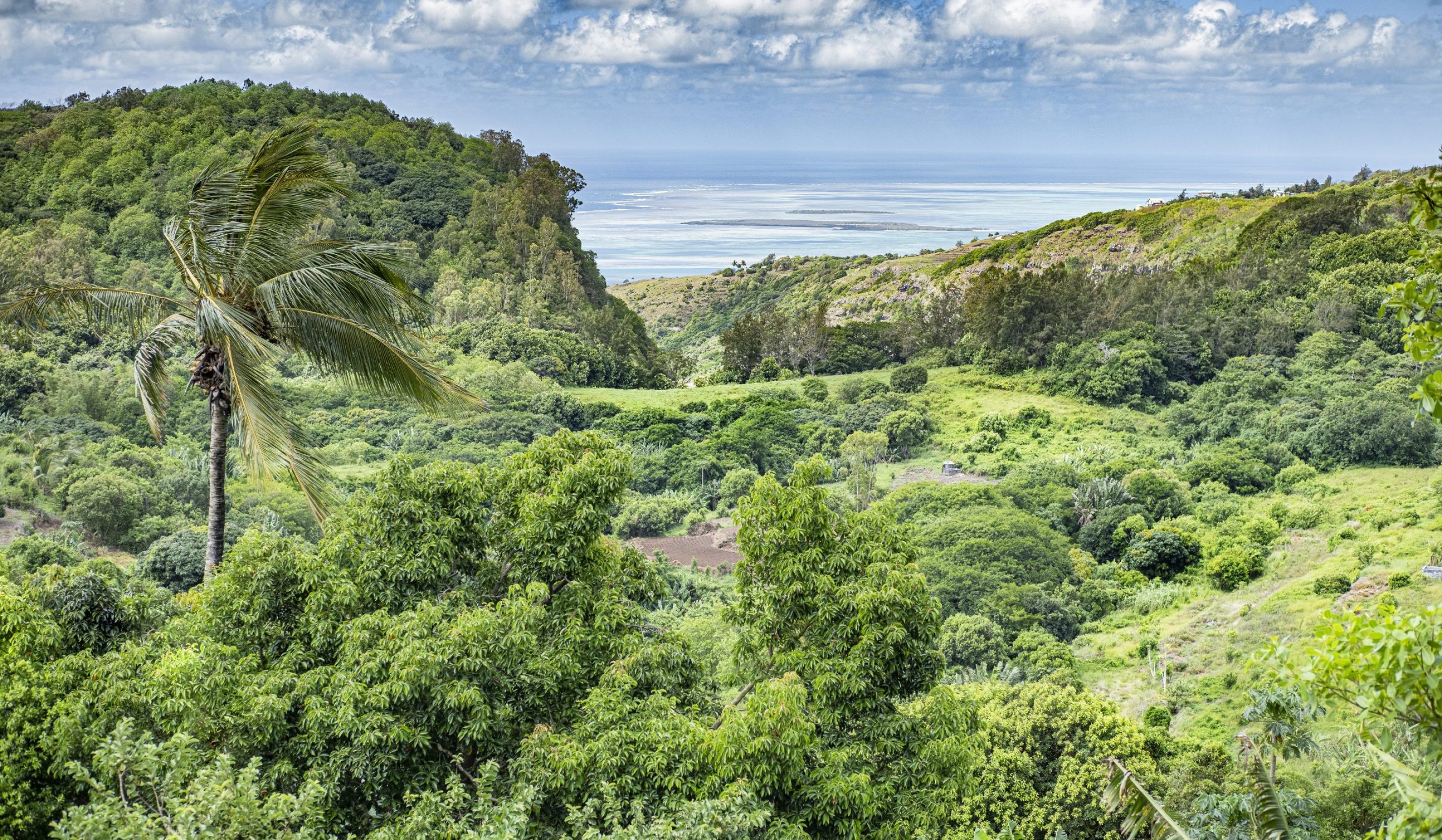
In Rodrigues, rainwater is not just a problem to be managed. It is a resource to be developed, a source of resilience, and a common link between landscapes, agriculture, towns and the lagoon.
With the support of the Adaptaction programme run by the French Development Agency (AFD), the Rodrigues Regional Assembly (ARR) is receiving strategic support from a dedicated and complementary team:
- setec & setec Mauritius, to provide high-level engineering in support of the sustainable transformation of regions,
- Kairos Consult, to harness collective intelligence and support decision-making,
- Cultures Permanentes, promoting the principles of regenerative hydrology, agroecology and connection to the landscape.
Faced with the effects of climate change, certain solutions can only be collective, based on nature and rooted in local communities.
This is the aim of the integrated stormwater management strategy, centred on regenerative hydrology, and developed throughout the project with the involvement of the people of Rodrigues.
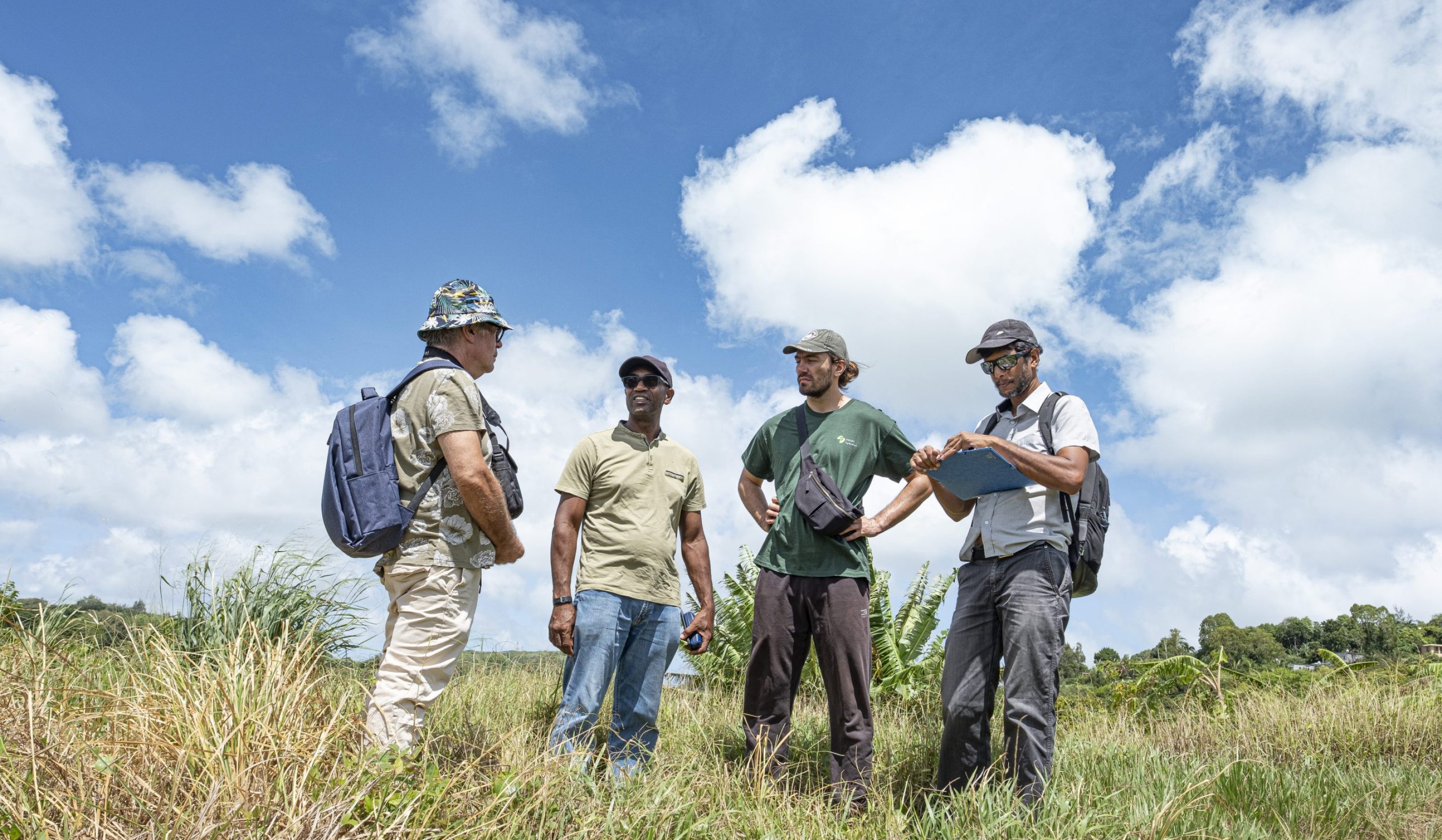
An adventure in the field – technical, collaborative… and above all, a human experience.
Supporting local communities in the face of climate change means building collective trajectories based on local realities, landscapes and available knowledge.
A step-by-step approach, developed in collaboration with local stakeholders:
- May 2025: collected testimonies from the people of Rodrigues regarding their memories of water and the challenges they face, followed by a workshop to identify key issues, bringing together technicians, officials and stakeholders to discuss the challenges, uses and opportunities related to rainwater
- July 2025: Cultures Permanentes will conduct fieldwork on Rodrigues to assess the island’s potential for implementing regenerative hydrology solutions, taking into account the landscape, geology, soils and existing practices
- January 2026: a mission dedicated to consulting local stakeholders, so that their needs and practices can be taken into account when selecting priority sectors and river basins for the action plan to be implemented by the Rodrigues Regional Assembly
- April 2026:
– a strategic decision-making workshop with the Rodrigues Regional Assembly (RRA) to jointly develop the guidelines for the master plan
– training courses in hydrology and QGIS, aimed at RRA teams and partners to build long-term local capacity
– a “Sem la pli” conference – How to retain water in Rodrigues landscapes - May 2026 regenerative hydrology training courses
- June 2026: a Study Tour in France to see, understand and discuss nature-based solutions already in action.
Following several phases of fieldwork and consultation with local stakeholders and residents, the project is now at a crucial stage in terms of capacity development.
Upcoming highlights include:
The group’s current visit to Rodrigues will feature a talk by Olivier Hébrard, PhD in water sciences and a specialist in agroecology and permaculture, who will share an accessible and inspiring vision of regenerative hydrology: how to slow down, infiltrate, store and redistribute water… for the benefit of soils, ecosystems and future generations.
This initiative will be followed by a Study Tour in France, enabling representatives of the Rodrigues Regional Assembly to see first-hand how nature-based solutions are being implemented elsewhere, and to draw inspiration for future decisions in Rodrigues.
In Rodrigues, this project fully embodies the vision shared by setec and their partners: to work with local authorities, to develop sustainable and tailored solutions by bringing together engineering, consultation, capacity-building and institutional cooperation.
The adventure continues, and it’s only just getting started!