Since 2021, setec is involved in Peru in one of the most ambitious projects in the country’s history. To understand the colossal challenges facing the teams, we spoke to Marc Chassande-Mottin, chief engineer at setec international and director of the Nueva Carretera Central project, expatriate in Lima and Arturo Salazar, the project’s deputy director, a Colombian engineer who has also been expatriated to Lima from our teams in Gomez Cajiao in Bogota. Their testimonies reveal the day-to-day reality of a titanic project in the heart of the Andes, led by a committed multicultural team.
An historic project: the new Carretera Central
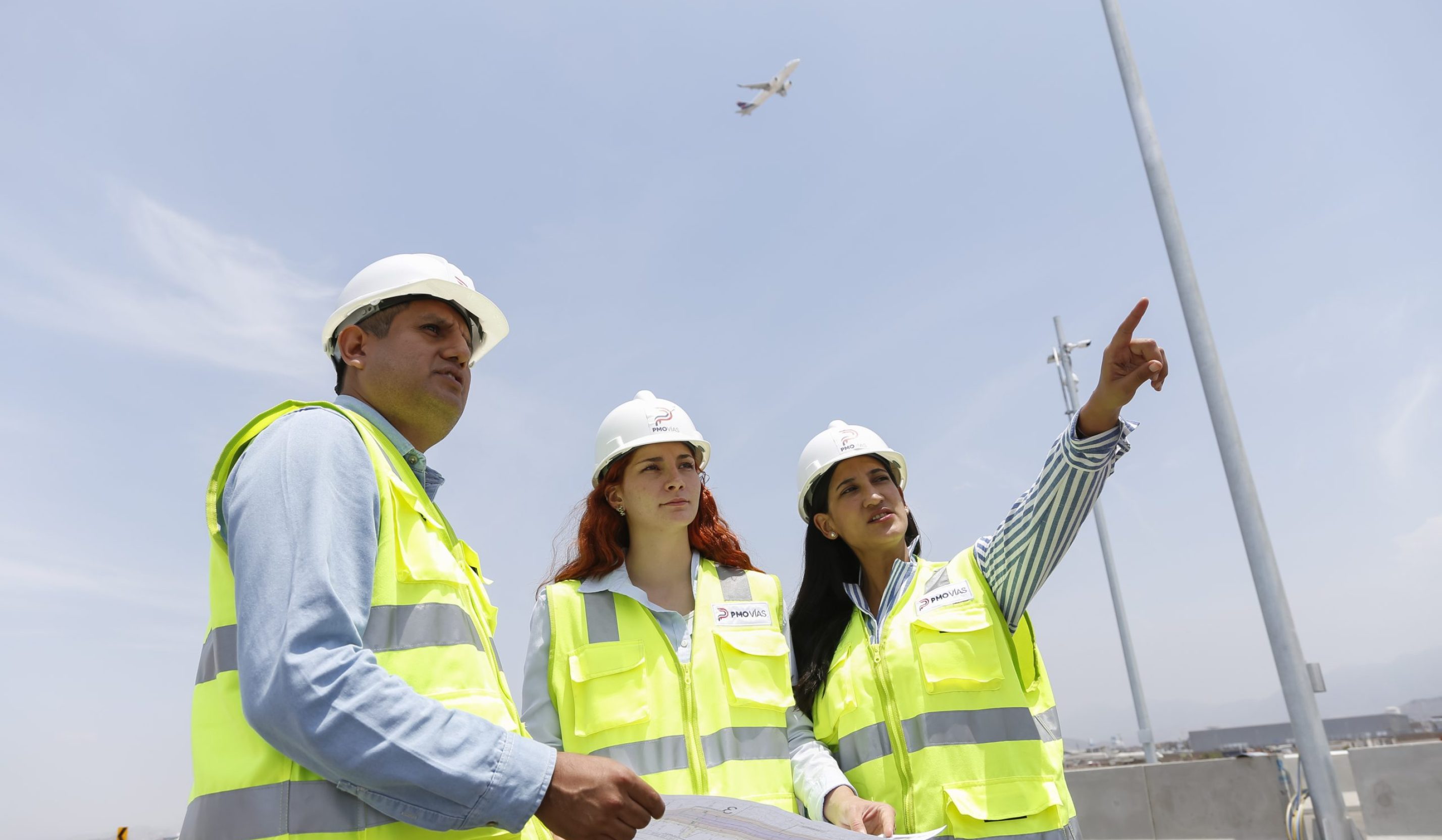
When Marc arrived in Lima in November 2021, he joined a team of just fifteen people. Today there are more than a hundred, including more than 42 employees at setec teams that mix expatriates from setec international, tpi, terrasol, als, gca, people on VIE. The role of this team is to act as PMO for the Peruvian government. This increase in the number of teams reflects the scale of the project, on which setec is working in consortium with Egis: the construction of the new Carretera Central, a motorway of almost 180 kilometres linking the Pacific coast to the Andean plateaux, a vital corridor for the country.
The current road, built in the 1920s, is saturated, dangerous and totally unsuited to modern traffic. Designed for 3,500 vehicles a day, it handles almost 8,500. Traffic jams can last for more than 24 hours, landslides occur regularly and there are more than 70 fatalities every year. The future motorway will drastically cut journey times from the current six and a half hours to around two and a half. A revolution for the country’s inhabitants, farmers and economy, as Arturo confides: «The Nueva Carretera Central (NCC) project is a strategic necessity for the country and a project that has been awaited for more than six decades, aimed at improving the regional interconnection between the Andean areas and the capital. This infrastructure not only strengthens Peru’s central logistical axis, it also connects people, integrates territories and contributes directly to improving the quality of life, road safety and economic development of communities and the country as a whole.»
But beyond the figures – more than 40 kilometres of tunnels, some twenty kilometres of viaducts, a budget estimated at between 6 and 7 billion dollars – it is the human dimension that most impresses the teams. Marc recalls the vital risk to local residents when they cannot get to hospital in the capital in time, and the families separated by the poor state of the roads. «This project makes sense», he repeats. «It brings real hope to entire populations.»
A technical, social and environmental challenge
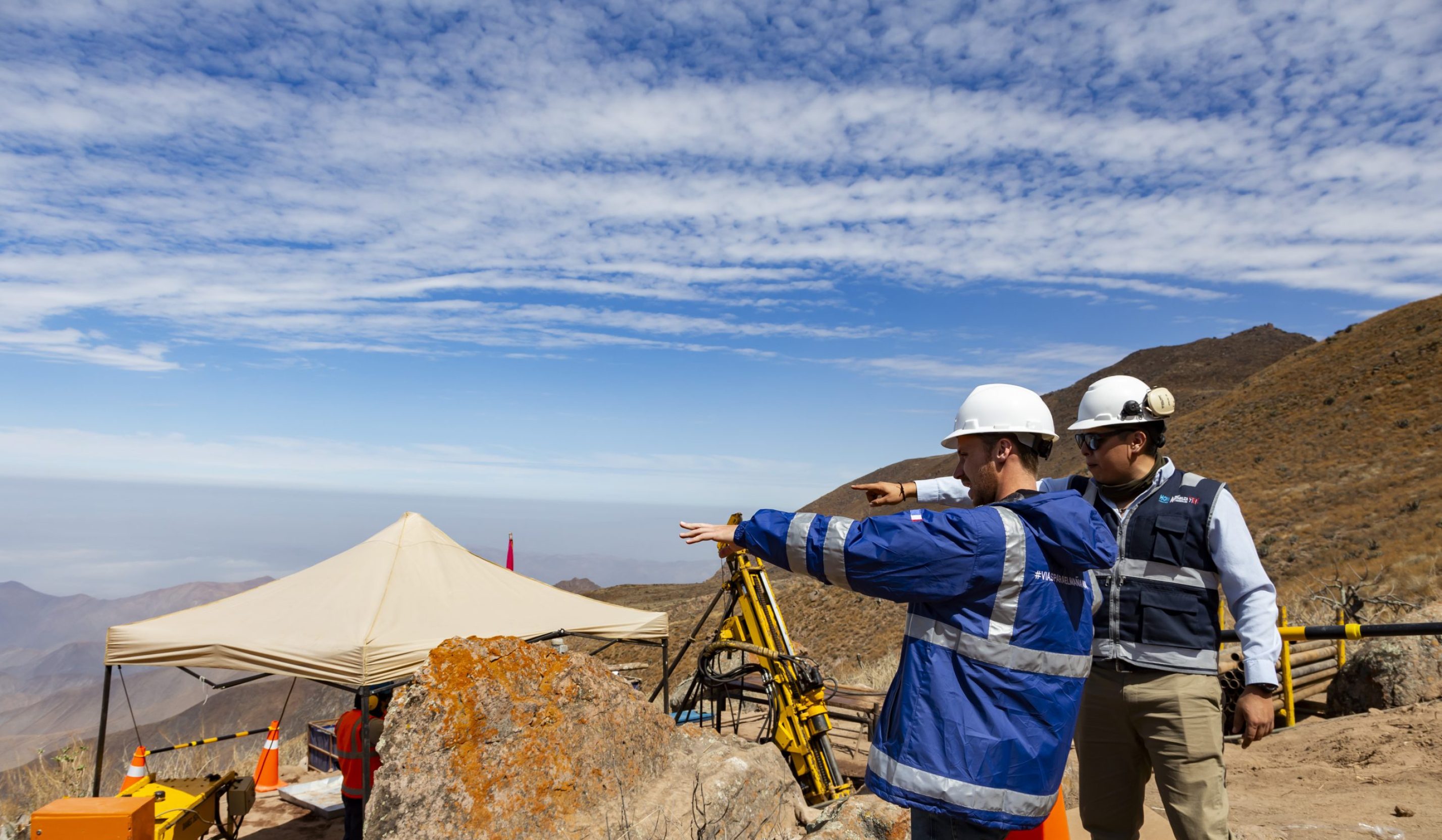
Building a motorway in the Andes presents many challenges. The teams have to deal with a rugged topography and operate in extreme conditions, moving from a desert area just outside Lima to agricultural plateaux and then to high mountain environments, culminating at an altitude of 4,500 metres. Some areas are so inaccessible that the geotechnical drilling equipment had to be transported by helicopter. The technical teams set up temporary camps and live on site, in agreement with the local communities.
The social context adds a further layer of complexity. Quechua communities are protected by law and cannot be expropriated: everything has to be negotiated, discussed and explained. What’s more, according to Arturo, one of the greatest challenges has been to win back the trust of the rural communities in the area concerned, who have suffered for years from the absence of the State. This can only be achieved when the project understands their needs, communicates with transparency and respect, and acts with empathy towards their culture, identity and way of life. setec has set up a permanent presence in the field, with around ten people dedicated to dialogue and support for community leaders.
The environmental dimension is just as central. In particular, the projects include the construction of several photovoltaic power stations to supply the site and then the infrastructure itself. The teams are also working with the French Treasury on an innovative sustainable project certification (https://www.fastinfralabel.org/) and are contributing to major advances in resilience, adapting to climate change and reducing emissions.
Finally, the route crosses areas rich in archaeological remains, forcing the teams to set up a vast programme of preventive archaeology. setec even includes a local archaeologist in its ranks. The aim is also to make the most of this exceptional heritage to create a «museum route» highlighting the Qhapaq Ñan, the ancient Inca road that is a World Heritage Site.
The Santa Rosa Project: setec’s other strategic project in Lima
Beyond the Carretera Central, setec and Egis are working together on a second major project, the Santa Rosa Project, including two parts: the Santa Rosa expressway, a four-kilometre urban viaduct linking the coast to the Santa Rosa Bridge, This will link up with the brand new terminal at Lima international airport, due to open in 2025. This project responds to a key challenge: improving access to the airport in a city of twelve million inhabitants with just one metro line.
The work has already begun. The previous year was devoted to rerouting telecommunications, electricity and gas networks and managing one of the city’s largest water mains. The remainder of the works, for which the contract signature is imminent, also includes a major urban development component: creation of dedicated bus lanes, increased security with cameras and lighting, and landscaping.
Worth around 600 million dollars, this project is admittedly less gigantic than the Carretera, but just as strategic in terms of improving mobility in the greater Lima area.
A committed team, driven by the desire to pass on knowledge
The government-to-government agreement which forms part of this project also includes a major knowledge transfer component. Teams from setec give talks at universities, run workshops such as the climate fresco and help to develop the skills of young Peruvian professionals. At the same time, setec is involved locally via the setec Foundation, in particular alongside the Peruvian association Mano a Mano.
For Marc, this civic dimension is an integral part of the project: «It’s not just a technical project. It’s a human project, bringing people together and passing on the message. Arturo confirms this commitment: »What really gives meaning to our mission is the impact of this project on the lives of the local people, on the whole country really. The fact that this road will offer their children a totally different future is in line with the values we hold dear. setec, In particular, we put people first.»
An adventure that’s only just begun
Today, the Carretera Central is nearing the end of its design phase, while the first call for tenders – for a 6-kilometre tunnel costing around 500 million dollars – is underway. Bids should be received before the summer. At the same time, work on the expressway is progressing rapidly, with a new phase ready to be launched in the coming weeks.
Lima remains an ongoing challenge, but also a formidable source of motivation for the teams. As Marc sums up, «we are lucky enough to be involved in a project that makes sense, a project that has been decades in the making, a project that will make a real difference to the lives of millions of people».
A human, technical and environmental adventure that perfectly illustrates the Group’s values setec.